
Acne Scarring Treatment
Treatment plans that can soften the look of acne scars and marks, improving skin texture and tone gradually over a course.
RQIA Registered | Doctor- and Nurse-Led | Complimentary Consultation
WHO IT AFFECTS
Adults after acne
COMMON CAUSES
Deep, inflamed breakouts
TREATMENT OPTIONS
6 in-clinic options
FIRST STEP
Complimentary consultation
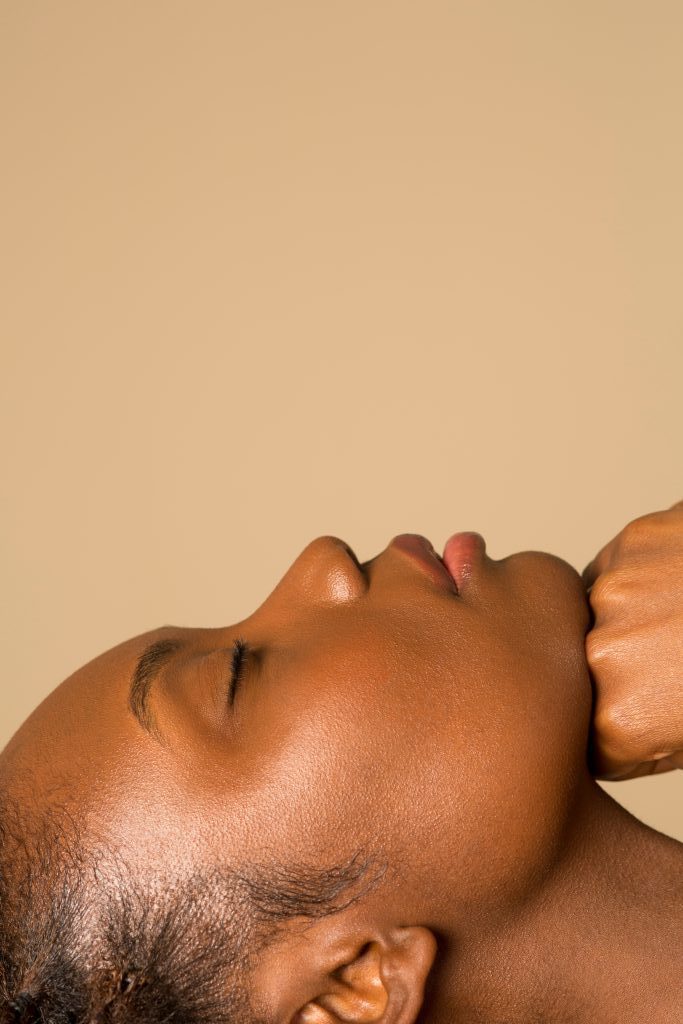
What is acne scarring?
Acne scarring is the lasting change in skin texture that can follow inflamed spots, nodules or cysts. When a breakout damages the deeper layers of the skin, the body repairs it with collagen, and that repair is not always smooth. Too little new collagen leaves a dip in the skin, while too much can leave a raised scar.
The most common types are rolling scars, which give the skin a wavy, uneven surface; boxcar scars, which are broader with defined edges; and ice-pick scars, which are narrow and deep. Many people also have flat red or brown marks left behind by spots. These post-inflammatory marks are not true scars and often fade with time and good skincare, although they can linger for months.
At our clinics in Coleraine and Derry/Londonderry, our medical team first makes sure any active acne is under control, then identifies your scar types before recommending treatment. Most people need a combination of approaches over several months, and the aim is a realistic softening of scars rather than their disappearance. If you still have regular breakouts, start with our guide to acne and breakouts.
What causes acne scarring?
Scarring depends on how deep the inflammation went and how your skin heals. Some people scar easily from a few spots, while others have severe acne and few scars.
Deep, inflamed acne
Nodules and cysts reach the deeper layers of the skin, damaging collagen and making scarring more likely than with blackheads or small spots.
Delayed treatment
The longer inflamed acne continues without effective treatment, the greater the chance of scars. Early care is one of the most useful ways to limit them.
Picking and squeezing
Squeezing spots pushes inflammation deeper and injures the surrounding skin, which increases the risk of both marks and pitted scars.
Genetics and skin type
Your natural healing response plays a part. A family history of scarring, and darker skin tones prone to pigment changes or raised scars, can affect how your skin recovers.
Treatments for acne scarring at A Aesthetics
Every plan starts with a medical assessment, because different scar types respond to different treatments. Most people benefit from combining two or more of these options over a course.
Secret RF
Radiofrequency microneedling delivers controlled heat beneath the surface to stimulate new collagen, which may help soften rolling and boxcar scars. It is suitable for many skin tones, including darker skin, after assessment.
Secret PRO
This Cutera platform combines fractional CO2 laser resurfacing with radiofrequency microneedling to improve texture and scar depth. It suits more established scarring and involves a few days of recovery.
Laser Genesis
A gentle laser that warms the skin to encourage collagen and refine texture, redness and pore size. It suits people wanting gradual improvement with no downtime, often between other treatments.
Excel V+
Targets the persistent red and purple marks that inflamed acne can leave behind. It is often recommended when redness, rather than depth, is the main concern.
Polynucleotides
Injectable polynucleotides are designed to support skin repair and quality, and may be used alongside resurfacing to improve overall skin health. They suit people with thinner or more delicate skin.
Professional skincare treatments
Medical-grade peels and facials can help fade brown post-inflammatory marks and refine the surface of the skin. They are a gentle starting point and help maintain results.
Caring for your skin with acne scarring
Get active acne under control
Treating breakouts early is one of the most effective ways to prevent new scars. Scar treatments work best once the skin has settled.
Wear SPF every day
Sun exposure can darken marks and make scars more noticeable. A broad-spectrum SPF 30 or higher helps protect healing skin.
Leave spots alone
Picking or squeezing increases the risk of fresh marks and deeper scarring.
Be patient with results
Collagen rebuilds slowly, so improvement usually continues for several months after a course. Keep up your home routine between sessions.
Acne scarring FAQs
What causes acne scars?
Acne scars form when deep, inflamed spots damage the collagen in the skin and the repair is uneven. Severe or long-lasting acne, picking and your own healing response all play a part.
Can acne scarring be prevented?
Treating acne early and avoiding picking are the most effective ways to reduce the risk.
Which treatment is best for my scars?
It depends on your scar types, skin tone and how much recovery time you have. Rolling and boxcar scars often respond to Secret RF or Secret PRO, while red marks may suit Excel V+. We recommend a plan after assessing your skin.
Will my scars disappear completely?
Treatment can soften the appearance of acne scars and improve texture, but it is realistic to expect improvement rather than complete removal. We will talk honestly about what is achievable for your skin.
How many sessions will I need?
Most people need a course of three or more sessions, spaced several weeks apart, and some combine treatments. Collagen continues to build for months, so results develop gradually.
Is treatment safe for darker skin tones?
Many of our treatments can be adapted for darker skin, but the risk of pigment changes varies between devices. We choose treatments and settings carefully, and may suggest a patch test or preparatory skincare first.
Can treatments be combined?
Yes, combining approaches is common. For example, resurfacing may be paired with Laser Genesis for redness, or with polynucleotides to support skin quality. We plan the timing so your skin can recover between sessions.
How do I book?
Start with a complimentary consultation at our Coleraine or Derry/Londonderry clinic, or call us on 028 7051 2101.
Related concerns
YOUR FIRST STEP
Begin with a complimentary consultation
Sit down with one of our medical team, talk through what you would like to change, and leave with an honest, personalised plan. No cost, no pressure, and no obligation to book.
Treatments are for adults aged 18 and over and are only offered after a face-to-face consultation.
DERRY/LONDONDERRY
50 Victoria Gate
Derry, BT47 2TP
07702 529535
COLERAINE
6–8 Dunmore Street
Coleraine, BT52 1EL
028 7051 2101
RQIA Registered | contact@aaesthetics.net
Request a callback
Share a few details and our team will call you back to arrange your consultation.