
Vaginal Dryness Treatment
Private, medically led support for vaginal dryness and discomfort, working alongside any care you already receive.
RQIA Registered | Doctor- and Nurse-Led | Complimentary Consultation
WHO IT AFFECTS
Many women in midlife
COMMON CAUSES
Lower oestrogen levels
TREATMENT OPTIONS
EMFEMME 360
FIRST STEP
Complimentary consultation
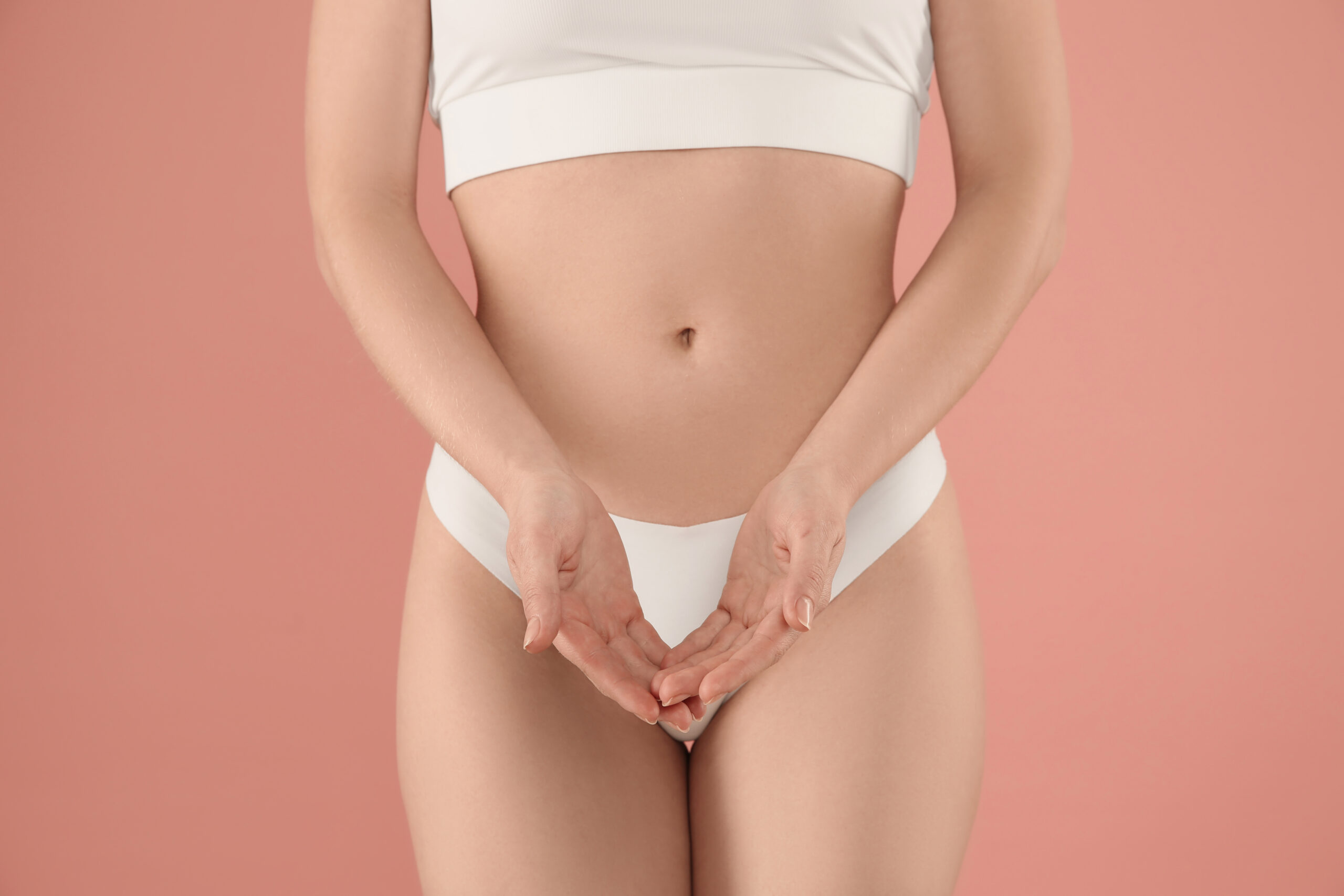
What is vaginal dryness?
Vaginal dryness happens when the tissues of the vagina and vulva produce less natural moisture and become thinner and less elastic. It can cause itching, soreness or burning, discomfort when sitting, exercising or during intimacy, and sometimes a need to pass urine more often or repeated urine infections. When it is linked to the menopause, doctors may call it vaginal atrophy or genitourinary syndrome of menopause.
It is very common, particularly during and after the menopause, although it can happen at any age, including while breastfeeding or when taking certain medicines.
Dryness becomes a medical concern if it lasts more than a few weeks despite self-care, affects your quality of life, or comes with unusual discharge or bleeding. At our clinics in Coleraine and Derry/Londonderry we can talk through your symptoms privately.
What causes vaginal dryness?
Vaginal moisture and elasticity depend largely on oestrogen, so anything that lowers oestrogen or irritates delicate tissue can lead to dryness.
Perimenopause and menopause
Falling oestrogen is the most common cause. Vaginal tissue becomes thinner, less elastic and produces less natural lubrication.
After birth and breastfeeding
Oestrogen levels drop after giving birth and stay lower while breastfeeding, which can cause temporary dryness that often improves over time.
Medicines and treatments
Some contraceptive pills and antidepressants, cancer treatments, and surgery to remove the ovaries can all reduce natural moisture.
Irritants and other conditions
Perfumed soaps, bubble baths, douches and scented wipes can irritate delicate skin, and some health conditions, such as diabetes, can also play a part.
Treatments for vaginal dryness at A Aesthetics
Vaginal dryness is usually managed first with moisturisers, lubricants or prescribed treatment. In-clinic treatment may help alongside that care, never instead of it.
EMFEMME 360
A non-surgical, non-hormonal radiofrequency treatment designed to gently warm intimate tissue, supporting blood flow and natural renewal, which may help improve comfort and hydration over time.
Private medical assessment
A confidential consultation with a member of our medical team to understand your symptoms, history and any medicines you take.
Everyday tips for managing vaginal dryness
Moisturise regularly
Vaginal moisturisers are designed to be used every few days, not only before intimacy, to keep tissue hydrated. Your pharmacist can recommend one that is free from perfume.
Choose a suitable lubricant
A water-based or oil-based lubricant can ease discomfort during intimacy. Oil-based products can weaken latex condoms, so check the label if this applies to you.
Avoid irritants
Wash with plain water or an unperfumed emollient, and avoid douches, scented soaps, bubble baths and feminine wipes, which can dry and irritate delicate skin.
Wear breathable fabrics
Cotton underwear and looser clothing reduce friction and irritation. Changing out of damp swimwear or gym clothes promptly helps keep the area comfortable too.
Vaginal dryness FAQs
Is vaginal dryness only caused by the menopause?
No. The menopause is the most common cause, but dryness can also happen after giving birth, while breastfeeding, with some contraceptive pills and antidepressants, after cancer treatment, or because of irritating products.
Can vaginal dryness be prevented?
Not always, especially when it is linked to hormones. Avoiding perfumed products and using a vaginal moisturiser regularly can help keep the tissue comfortable.
How can EMFEMME 360 help with dryness?
EMFEMME 360 uses radiofrequency energy to gently warm intimate tissue. This is designed to support blood flow and the body’s natural renewal, which may help improve comfort and hydration over time. Results vary, and it works best as part of a wider plan that includes medical care.
Is EMFEMME 360 an option if I cannot take hormones?
EMFEMME 360 is non-hormonal, so it may be worth discussing if hormonal treatment is not suitable for you. If you have had breast cancer or another hormone-sensitive condition, we will want your specialist’s view before any treatment.
How many sessions will I need?
This depends on your needs and is agreed with you privately at your consultation. Because treatment supports your body’s own renewal, any improvement develops gradually over the following weeks.
How do I book?
Start with a complimentary consultation at our Coleraine or Derry/Londonderry clinic, or call us on 028 7051 2101. You can also read our intimate wellness overview first.
Related concerns
YOUR FIRST STEP
Begin with a complimentary consultation
Sit down with one of our medical team, talk through what you would like to change, and leave with an honest, personalised plan. No cost, no pressure, and no obligation to book.
Treatments are for adults aged 18 and over and are only offered after a face-to-face consultation.
DERRY/LONDONDERRY
50 Victoria Gate
Derry, BT47 2TP
07702 529535
COLERAINE
6–8 Dunmore Street
Coleraine, BT52 1EL
028 7051 2101
RQIA Registered | contact@aaesthetics.net
Request a callback
Share a few details and our team will call you back to arrange your consultation.