
Hyperpigmentation Treatment
Assessment and treatment for sun spots, melasma and dark marks, helping to create a more even, radiant skin tone over time.
RQIA Registered | Doctor- and Nurse-Led | Complimentary Consultation
WHO IT AFFECTS
All skin types
COMMON CAUSES
Sun, hormones, inflammation
TREATMENT OPTIONS
6 in-clinic options
FIRST STEP
Complimentary consultation
What is hyperpigmentation?
Hyperpigmentation is the darkening of patches of skin caused by an excess of melanin, the pigment that gives skin its colour. It is very common and is usually harmless, but it can make the complexion look uneven and is often a concern for people of all skin types and tones.
It takes several forms. Sun spots and age spots are flat brown marks on areas that see the most sun, such as the face, hands and chest. Melasma appears as larger, symmetrical brown or grey-brown patches on the cheeks, forehead and upper lip, and is linked to hormones and sunlight. Post-inflammatory hyperpigmentation is the dark mark left behind after a spot, cut, burn or skin irritation, and is particularly common in darker skin tones.
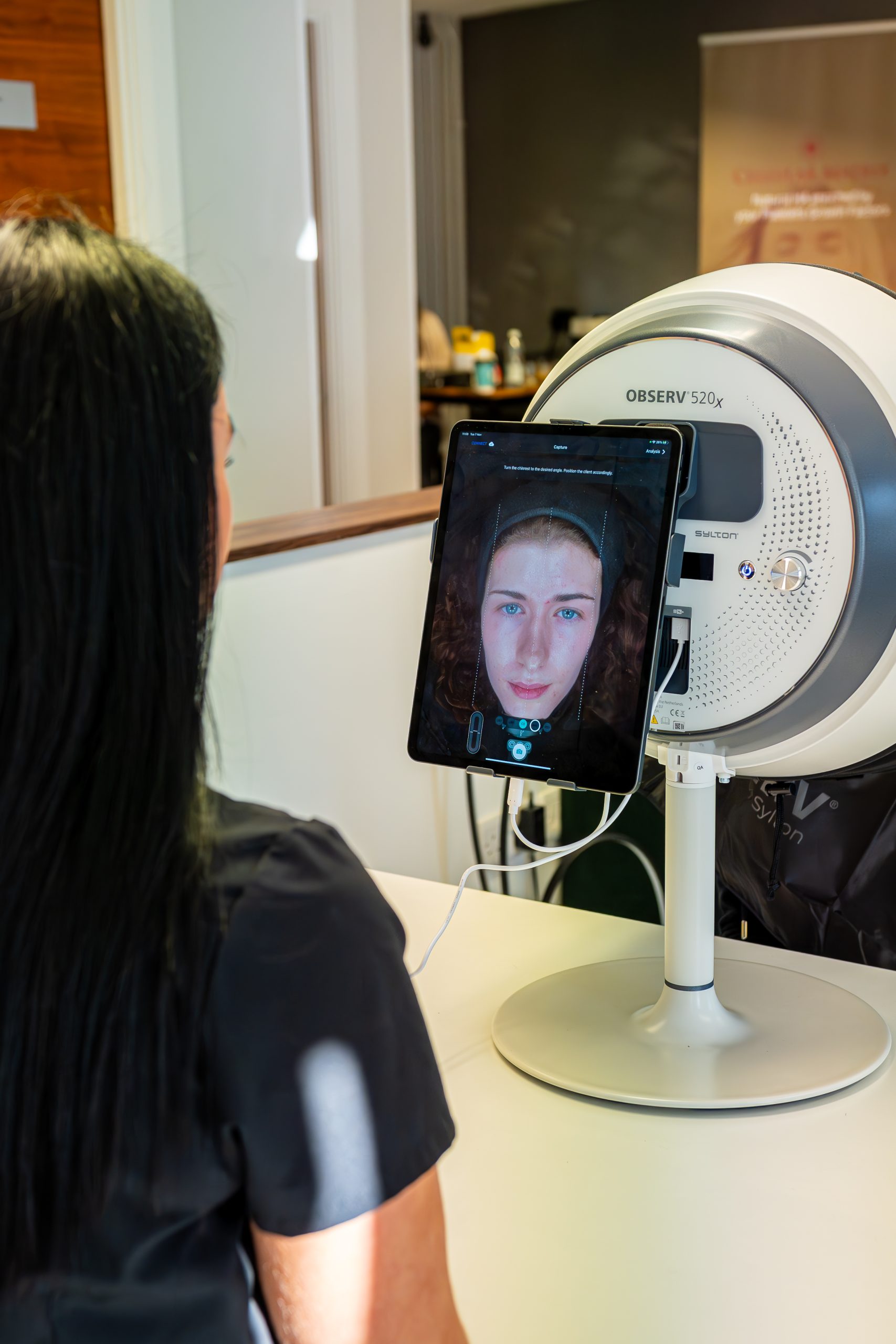
Because each type sits at a different depth and responds differently, accurate assessment matters. At our clinics in Coleraine and Derry/Londonderry, our medical team uses a skin analysis to look beneath the surface before recommending a plan.
What causes hyperpigmentation?
Pigment cells can become overactive for several reasons. Most people have more than one factor at play, which is why a combined approach to treatment and prevention works best.
Sun exposure
Ultraviolet light is the most common cause. It stimulates melanin production and, over years, leads to sun spots and uneven tone.
Hormonal changes
Pregnancy, the contraceptive pill and hormone therapy can trigger melasma, which sunlight and heat then make darker.
Inflammation and injury
Acne, eczema, cuts, burns and some cosmetic treatments can leave post-inflammatory marks, especially in darker skin tones.
Age and genetics
Sun damage builds up over time, and your natural skin type influences how easily pigment forms and how long marks last.
Treatments for hyperpigmentation at A Aesthetics
Every plan starts with a medical assessment, because sun spots, melasma and post-inflammatory marks each need a different approach. These are the options our team most often recommends, always alongside daily sun protection.
Skin analysis
A detailed skin scan helps us see pigment beneath the surface and track how it changes with treatment. It is the starting point for most pigmentation plans.
Excel V+
This Cutera laser can target well-defined sun spots and age spots, which often darken briefly before flaking away. It suits lighter skin types with distinct brown marks.
Professional skincare treatments
Medical-grade peels and brightening facials can help fade uneven tone and post-inflammatory marks gradually. They can be adapted for most skin types and are often suitable for melasma.
Laser Genesis
A gentle laser that can help even out skin tone and improve texture with no downtime. It suits people wanting a gradual brightening effect as part of a wider plan.
Secret PRO
Fractional CO2 resurfacing may help with sun damage and uneven tone alongside texture. It is selected carefully, as it is not suitable for melasma or for every skin tone.
Skincare products
Medical-grade brightening products and a high-protection SPF are essential for results and for stopping pigment from returning. We recommend products after assessing your skin.
Everyday tips for managing hyperpigmentation
Wear SPF every day
Use a broad-spectrum SPF 30 to 50 all year round and reapply outdoors. Sun protection is the most important step in preventing pigment from darkening.
Seek shade and cover up
Wide-brimmed hats and shade help, particularly for melasma, which can also be triggered by heat and visible light.
Avoid picking and irritation
Picking spots or using harsh scrubs can create new dark marks. Treat breakouts early and keep your routine gentle.
Give it time
Pigment fades slowly and can return with sun exposure. Most plans take several months, with maintenance to keep results.
Hyperpigmentation FAQs
What causes dark spots and patches?
Most pigmentation is caused by sun exposure, hormones such as those in pregnancy or the contraceptive pill, or inflammation from spots and skin injury. Age and skin type also play a part.
Can hyperpigmentation be prevented?
Daily broad-spectrum SPF, shade and gentle skincare are the most effective ways to prevent new pigment and stop existing marks from darkening. Treating acne early also reduces post-inflammatory marks.
Which treatment is best for my pigmentation?
It depends on the type of pigment and your skin tone. Distinct sun spots may suit Excel V+, while melasma usually responds better to professional skincare treatments and home products. A skin analysis helps us choose.
Can melasma be treated?
Melasma can often be improved and controlled, but it tends to come back, especially with sun exposure or hormonal changes. It needs a cautious approach, as some heat-based treatments can make it worse, so we focus on gentle treatments, skincare and sun protection.
How many sessions will I need?
Sun spots may improve after one to three laser sessions, while melasma and post-inflammatory marks usually need a longer course of peels and consistent home care. We will give you a realistic plan at your consultation.
Is treatment safe for darker skin tones?
Darker skin can be more prone to pigment changes after treatment, so we select treatments and settings carefully and may prepare your skin first. Some lasers are not suitable, and we will explain the options that are.
Can treatments be combined?
Yes. Many plans combine in-clinic treatments with medical-grade skincare products, and sometimes Laser Genesis to even out tone. We space treatments so your skin can recover.
How do I book?
Start with a complimentary consultation at our Coleraine or Derry/Londonderry clinic, or call us on 028 7051 2101.
Related concerns
YOUR FIRST STEP
Begin with a complimentary consultation
Sit down with one of our medical team, talk through what you would like to change, and leave with an honest, personalised plan. No cost, no pressure, and no obligation to book.
Treatments are for adults aged 18 and over and are only offered after a face-to-face consultation.
DERRY/LONDONDERRY
50 Victoria Gate
Derry, BT47 2TP
07702 529535
COLERAINE
6–8 Dunmore Street
Coleraine, BT52 1EL
028 7051 2101
RQIA Registered | contact@aaesthetics.net
Request a callback
Share a few details and our team will call you back to arrange your consultation.