
Rosacea Treatment
Calm, medically guided care for facial redness, flushing and visible veins, with treatments that can reduce redness and help you manage flare-ups.
RQIA Registered | Doctor- and Nurse-Led | Complimentary Consultation
WHO IT AFFECTS
Adults, often over 30
COMMON TRIGGERS
Heat, sun, alcohol
TREATMENT OPTIONS
5 in-clinic options
FIRST STEP
Complimentary consultation
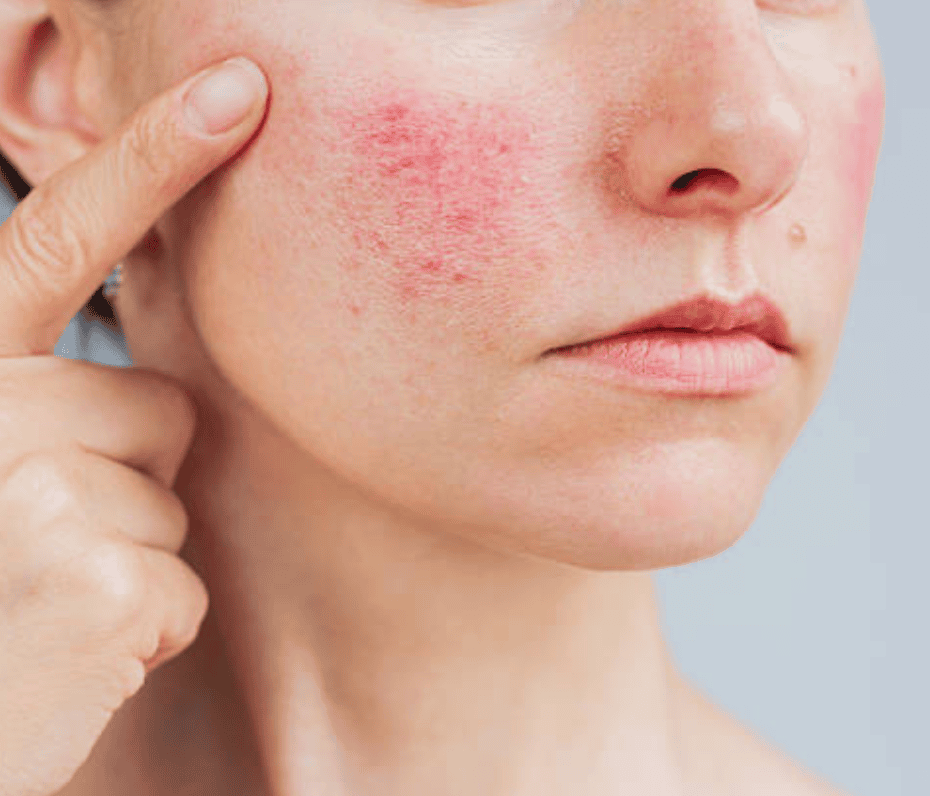
What is rosacea?
Rosacea is a common, long-term skin condition that mainly affects the central face: the cheeks, nose, chin and forehead. It usually starts with a tendency to blush or flush easily, and over time the redness can become more persistent. Some people develop small visible blood vessels, bumps and pus-filled spots that can look like acne, a burning or stinging sensation, or dry, sensitive skin. Others also notice gritty, irritated eyes.
Rosacea most often appears after the age of 30 and is frequently seen in people with fair skin, although it can affect all skin types; in darker skin, redness may be harder to see. Symptoms tend to come and go, with flare-ups followed by calmer periods.
There is no single treatment that makes rosacea go away, but it can often be well controlled.
What causes rosacea?
The exact cause of rosacea is not fully understood. Research points to a combination of blood vessel, immune and skin barrier factors, with everyday triggers making symptoms worse.
Blood vessel changes
Blood vessels in the face dilate easily and may stay widened, leading to flushing, persistent redness and visible thread veins.
Immune and skin barrier factors
An overactive inflammatory response and a weakened skin barrier can make the skin reactive, sensitive and prone to stinging.
Everyday triggers
Sun exposure, heat, hot drinks, spicy food, alcohol, stress and strenuous exercise are common triggers that can bring on a flare.
Genetics and skin type
Rosacea often runs in families and is more common in fair skin. Tiny mites that live naturally on the skin may also play a part in some people.
Treatments for rosacea at A Aesthetics
Every plan starts with a medical assessment, because rosacea can look like other conditions and the right approach depends on your symptoms. These are the options our team most often recommends, usually alongside good daily skincare.
Excel V+
This Cutera laser targets the blood vessels behind persistent redness and visible thread veins. It suits people with ongoing background redness or broken capillaries on the cheeks and nose.
Laser Genesis
A gentle laser that gradually reduces diffuse redness and improves skin texture, with no downtime. It suits sensitive skin and is often used as a maintenance treatment.
MediLux LED therapy
Red and near-infrared light can help calm inflammation and support a healthier skin barrier without heat. It suits reactive skin and pairs well with laser treatment.
Professional skincare treatments
Gentle, barrier-supporting facials can soothe sensitive skin and prepare it for other treatments. We avoid harsh peels and products that may trigger a flare.
Skincare products
A simple routine of fragrance-free, calming products and daily SPF can make a real difference to how often you flare. We recommend products matched to your skin after assessment.
Everyday tips for managing rosacea
Know your triggers
Keep a simple diary of flare-ups to spot patterns with heat, alcohol, spicy food, hot drinks or stress, then reduce the ones that affect you.
Protect from the sun
Use a broad-spectrum SPF 30 or higher every day, even when it is cloudy. Mineral sunscreens are often better tolerated by sensitive skin.
Keep skincare gentle
Choose fragrance-free products, cleanse with lukewarm water and pat the skin dry. Avoid scrubs, alcohol-based toners and strong exfoliating acids.
Stay cool
Avoid extremes of temperature where you can. Cover your face in cold wind and try to cool down gradually after exercise or a hot shower.
Rosacea FAQs
What causes rosacea flare-ups?
Flare-ups are often triggered by sun, heat, hot drinks, spicy food, alcohol, stress or exercise, although triggers vary from person to person. Keeping a diary can help you find yours.
Can rosacea be prevented?
Rosacea itself cannot always be prevented, but avoiding your triggers, wearing daily SPF and using gentle skincare can reduce how often and how strongly it flares. Early treatment may also stop redness from becoming more persistent.
Which treatment is best for my rosacea?
It depends on your main symptoms. Persistent redness and thread veins often respond well to Excel V+, while Laser Genesis suits diffuse redness and sensitive skin.
How many sessions will I need?
Many people need a course of around three to five laser sessions, spaced about four weeks apart, followed by occasional maintenance. We will give you a realistic plan at your consultation.
Will the redness come back?
Rosacea is a long-term condition, so redness can return over time, particularly with sun exposure and other triggers. Maintenance treatments and good daily habits can help keep your skin calmer for longer.
Is laser treatment suitable for my skin type?
Laser settings are tailored to your skin, and most people with rosacea are suitable after assessment. Recent tanning, some medicines and certain skin conditions can affect suitability, which we check before treatment.
How do I book?
Start with a complimentary consultation at our Coleraine or Derry/Londonderry clinic, or call us on 028 7051 2101.
Related concerns
YOUR FIRST STEP
Begin with a complimentary consultation
Sit down with one of our medical team, talk through what you would like to change, and leave with an honest, personalised plan. No cost, no pressure, and no obligation to book.
Treatments are for adults aged 18 and over and are only offered after a face-to-face consultation.
DERRY/LONDONDERRY
50 Victoria Gate
Derry, BT47 2TP
07702 529535
COLERAINE
6–8 Dunmore Street
Coleraine, BT52 1EL
028 7051 2101
RQIA Registered | contact@aaesthetics.net
Request a callback
Share a few details and our team will call you back to arrange your consultation.