
Hair Thinning and Hair Loss
A guide from our medical team to why hair thins and the regenerative treatments that may help support healthier-looking hair.
RQIA Registered | Doctor- and Nurse-Led | Complimentary Consultation
WHO IT AFFECTS
Men and women
COMMON CAUSES
Genetics, hormones, stress
TREATMENT OPTIONS
2 in-clinic options
FIRST STEP
Complimentary consultation
What is hair thinning and hair loss?
Losing some hair every day is normal, as old hairs shed and new ones grow in their place. Hair thinning describes a gradual reduction in the density or thickness of hair, often seen as a widening parting, a receding hairline or more scalp showing through. Hair loss can also be more noticeable, with increased shedding or patches where hair has fallen out. It is very common in both men and women and can have a real effect on confidence.
The most common type is pattern hair loss, which is inherited and develops slowly over years. Other types, such as shedding after illness, stress or childbirth, are often temporary and recover once the trigger settles. Some forms, including patchy hair loss and hair loss with scalp inflammation, need medical diagnosis and treatment.
Hair loss becomes a concern when it starts suddenly, comes out in patches, or is accompanied by scalp symptoms or feeling unwell. That is why a medical assessment comes first, to rule out causes such as thyroid problems or low iron. At our clinics in Coleraine and Derry/Londonderry, regenerative treatments such as PRP are offered as an option that may help, alongside proper medical care.
What causes hair thinning and hair loss?
Hair grows in cycles, and anything that shortens the growth phase or pushes more hairs into shedding can lead to thinning. Finding the cause matters because some types recover on their own and others need medical treatment.
Genetics
Male and female pattern hair loss is inherited and is the most common cause. Hair follicles gradually shrink, producing finer, shorter hairs over time.
Hormonal changes
Pregnancy, the menopause and conditions such as thyroid disorders or polycystic ovary syndrome can all affect the hair growth cycle and lead to thinning.
Stress, illness and nutrition
A shock, illness, surgery, rapid weight loss or low iron can trigger heavy shedding a few months later. This type often improves once the cause is treated.
Medical and scalp conditions
Some scalp and health conditions can cause hair loss and need a medical diagnosis.
Treatments for hair thinning at A Aesthetics
Our regenerative treatments are options that may help support hair density for suitable people, usually those with early pattern thinning or shedding, alongside any medical care you need.
PRP
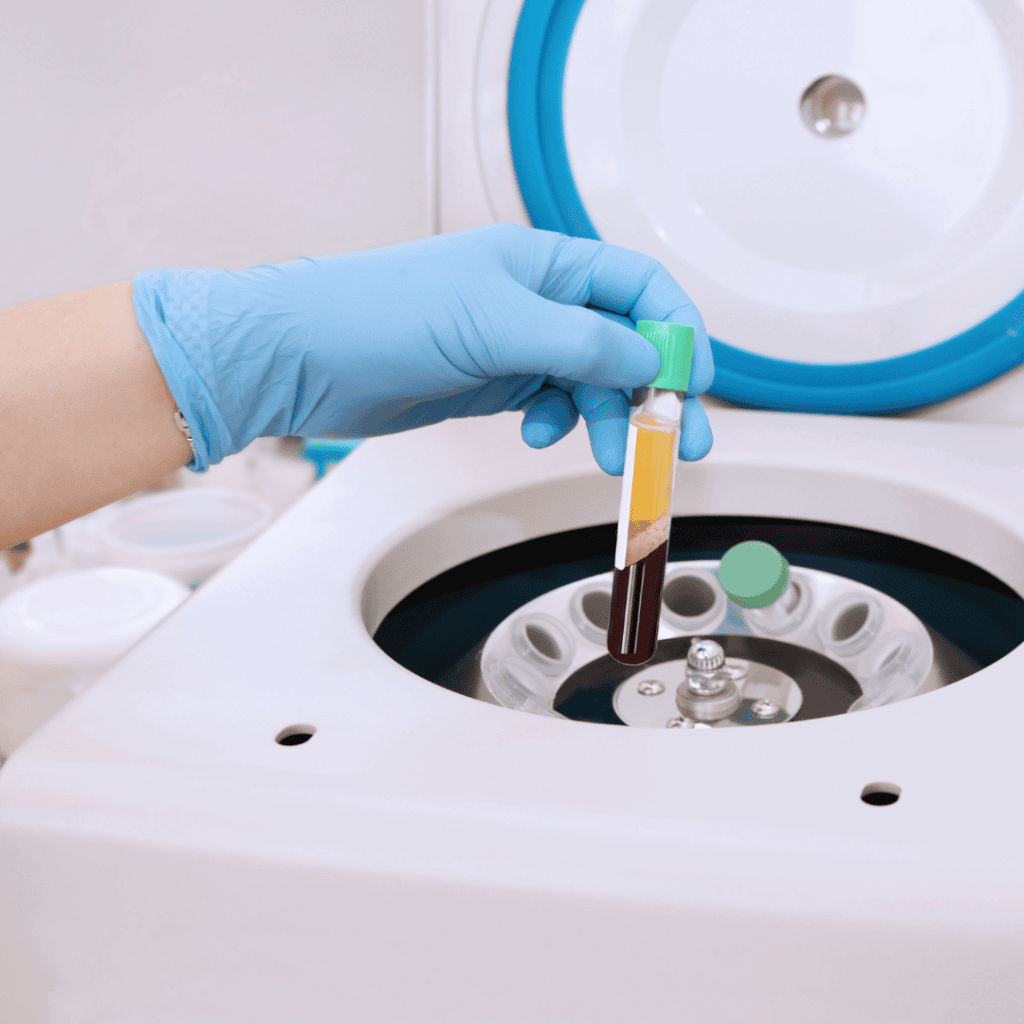
Platelet-rich plasma is prepared from a small sample of your own blood and injected into the scalp, where growth factors may help support weaker follicles. It is most often considered for early pattern thinning and usually involves a course of sessions.
Polynucleotides
Polynucleotides are injected into the scalp to support tissue repair and may help improve scalp health and the quality of thinning hair. They can be used on their own or alongside PRP as part of a tailored plan.
Everyday tips for managing hair thinning
Get checked early
Many types of hair loss respond better when addressed sooner.
Eat a balanced diet
Hair needs enough protein, iron and other nutrients to grow well.
Be gentle with your hair
Avoid tight ponytails, braids and extensions that pull on the roots, and limit harsh chemical treatments and high-heat styling. Use a wide-toothed comb on wet hair.
Look after your wellbeing
Stress can trigger shedding, so sleep, regular exercise and support when you need it all help.
Hair thinning and hair loss FAQs
What causes hair thinning?
The most common cause is inherited pattern hair loss, which affects both men and women. Hormonal changes, stress, illness, low iron, thyroid problems, some medicines and scalp conditions can also play a part.
Can hair loss be prevented?
Inherited hair loss cannot be prevented, but it can often be slowed when addressed early. A balanced diet, managing stress, gentle hair care and treating any underlying medical problem all help keep your hair as healthy as possible.
Which treatment is best for me?
That depends on the type and stage of your hair loss. PRP is most often considered for early pattern thinning, while polynucleotides may be suggested to support scalp health. Some types of hair loss, such as scarring or patchy hair loss, are not suitable for these treatments and need specialist medical care.
What results can I expect?
Hair grows slowly, so any change takes several months to show. Many people aim to reduce shedding and improve the thickness of existing hair rather than regrow hair in areas that are completely bald. Results vary, maintenance sessions are usually needed, and we will be honest about what is realistic for you.
How many sessions will I need?
Regenerative scalp treatments are usually given as a course, often three to four sessions spaced about a month apart, followed by maintenance sessions. Your plan will depend on your assessment and how your hair responds.
Can treatments be combined?
Yes. PRP and polynucleotides can be used together as part of one plan. We will always ask what you are already using so your plan is safe and joined up.
How do I book a consultation?
You can request a callback online or call us on 028 7051 2101. Treatments are for adults aged 18 and over.
Related concerns
YOUR FIRST STEP
Begin with a complimentary consultation
Sit down with one of our medical team, talk through what you would like to change, and leave with an honest, personalised plan. No cost, no pressure, and no obligation to book.
Treatments are for adults aged 18 and over and are only offered after a face-to-face consultation.
DERRY/LONDONDERRY
50 Victoria Gate
Derry, BT47 2TP
07702 529535
COLERAINE
6–8 Dunmore Street
Coleraine, BT52 1EL
028 7051 2101
RQIA Registered | contact@aaesthetics.net
Request a callback
Share a few details and our team will call you back to arrange your consultation.